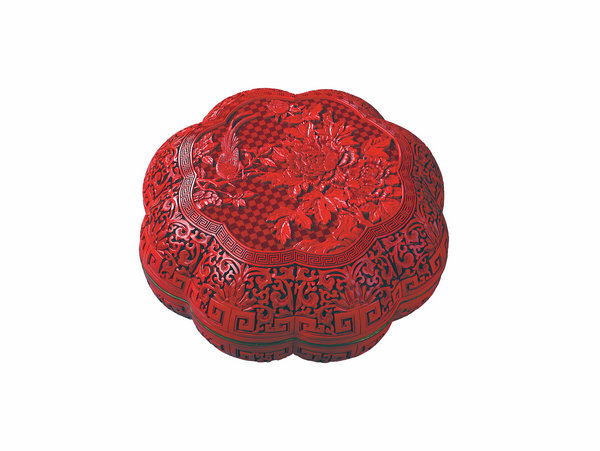
Carved Lacquer
Introduction
Carved lacquer, known as "qidiao" in Chinese, is a distinctive form of decorated lacquerware that has been cherished in Chinese craftsmanship for centuries. This intricate art form involves the meticulous carving of layers of lacquer to create elaborate designs, patterns, and motifs. Carved lacquerware encompasses a wide range of items, including practical containers, ornamental screens, furniture, and decorative artifacts. The craft has been recognized as a National Intangible Cultural Heritage of China, highlighting its artistic and cultural importance.
Among the many regional styles of carved lacquer, Tianshui carved lacquerware from Gansu province stands out for its refined techniques, selective raw materials, and antique patterns. Known for its sturdiness, luminosity, and resistance to acid, alkali, and heat, Tianshui carved lacquerware has gained popularity both within China and internationally.
The process of creating carved lacquerware is labor-intensive and time-consuming, often requiring months or even years to complete a single piece. Craftsmen employ a variety of techniques, including carving, inlaying, painting, grinding, and polishing, to achieve the desired level of detail and finish. This dedication to craftsmanship ensures that each piece is a unique work of art, embodying the rich heritage and creativity of Chinese culture.
History
The origins of carved lacquerware can be traced back over 2,000 years, with early examples appearing during the Tang Dynasty (618–907). The craft evolved significantly during the Ming (1368–1644) and Qing (1644–1912) dynasties, when imperial workshops refined the techniques and materials used in lacquer carving. During this period, carved lacquerware became a symbol of luxury and sophistication, often commissioned by the royal court for use in palaces and ceremonial settings.
The Tang Dynasty saw the initial development of lacquer carving techniques, which were later enhanced with jade inlays during the Ming and Qing dynasties. Craftsmen began incorporating precious materials such as jade, agate, and coral into their designs, creating intricate patterns and motifs that reflected the opulence of the era. These advancements elevated carved lacquerware to an art form that was both functional and decorative.
In modern times, carved lacquerware has transitioned from being exclusively available to royalty to becoming a widely appreciated national handicraft. The craft has continued to evolve, with artisans exploring innovative designs and techniques to meet contemporary aesthetic and practical needs. Efforts to preserve and promote the tradition have led to collaborations between craftsmen, universities, and cultural institutions, ensuring the survival of this ancient art form for future generations.
Techniques
Materials Used
The creation of carved lacquerware begins with the selection of high-quality materials. Lacquer, derived from the sap of the lacquer tree, is the primary medium used in this craft. The lacquer is applied in multiple layers, each carefully dried and polished to achieve a smooth and durable surface. Additional materials such as wood, metal, jade, agate, coral, and gold are often incorporated into the designs to enhance their visual appeal and structural integrity.
The choice of materials plays a crucial role in determining the final appearance and durability of the lacquerware.
Carving Process
The carving process is the most intricate and time-consuming aspect of creating lacquerware. Once the lacquer surface is prepared, artisans use specialized tools to carve intricate designs into the layers. The carving process requires exceptional skill and precision, as any mistakes cannot be easily corrected. Techniques such as scribing, line gold stacking painting, and grinding color painting are employed to achieve the desired level of detail and texture.
Decorative Methods
Decorative methods used in carved lacquerware include inlaying, painting, and gilding. Inlaying involves embedding materials such as jade, agate, or coral into the carved surface to create striking patterns and motifs. Painting techniques, such as hidden painting and gold painting, add depth and color to the designs. Gilding, or the application of gold leaf, enhances the luxurious appearance of the lacquerware.
These decorative methods are often combined to create pieces that are both visually stunning and culturally significant. For example, ornamental screens crafted in the Tianshui style may require over 100 procedures, including manual polishing and painting, to achieve their final form.
Styles and Variations
Regional Differences
Carved lacquerware exhibits significant regional variations, reflecting the diverse cultural and artistic traditions of different areas. Tianshui carved lacquerware from Gansu province is renowned for its antique patterns, refined techniques, and robust craftsmanship. In contrast, Yangzhou lacquerware from Jiangsu province is characterized by its bright colors, exquisite patterns, and incorporation of creative elements.
Other notable styles include Beijing lacquer carving, which is one of the Eight Marvelous Crafts of Beijing, and Hebei lacquerware, which emphasizes traditional craftsmanship and innovation. Each regional style has its unique characteristics, contributing to the rich tapestry of Chinese lacquerware.
Common Motifs
Common motifs in carved lacquerware include floral patterns, landscapes, mythical creatures, and scenes from Chinese folklore. These designs often carry symbolic meanings, such as prosperity, longevity, and harmony. For example, dragon and phoenix motifs are frequently used to represent power and auspiciousness, while lotus flowers symbolize purity and enlightenment.
The choice of motifs often reflects the cultural and historical context of the piece, making carved lacquerware not only a decorative art form but also a medium for storytelling and cultural expression.
Cultural Significance
Carved lacquerware holds immense cultural significance in China, serving as a testament to the country's rich artistic heritage and craftsmanship. Historically, these pieces were symbols of wealth and status, often commissioned by the royal court for use in palaces and ceremonies. Today, carved lacquerware is celebrated as a national handicraft and an important part of China's intangible cultural heritage.
The craft has also played a role in fostering cultural exchange, with exhibitions and demonstrations showcasing the artistry of lacquer carving to international audiences.
Preservation and Promotion
Efforts to preserve and promote carved lacquerware have intensified in recent years, driven by the need to protect this ancient craft from fading into obscurity. Initiatives include collaborations between craftsmen, universities, and cultural institutions to provide apprenticeships and training programs for young artisans.
Local lacquerware companies have also embraced modern technology, setting up online stores and expanding their market reach through e-commerce platforms. These efforts have not only increased the visibility of carved lacquerware but also encouraged more people to learn about and appreciate the craft.
Museums dedicated to lacquerware, such as the Yangzhou Arts and Crafts Museum and the Beijing Eight Marvelous Crafts Museum, play a crucial role in preserving and showcasing the art form. These institutions house valuable artifacts and provide educational opportunities for visitors, ensuring that the legacy of carved lacquerware continues to thrive.
Through these preservation and promotion efforts, carved lacquerware remains a vibrant and enduring symbol of Chinese culture, inspiring future generations to carry forward its rich tradition.








